


Cold plunge tub setups are becoming a must-have for recovery, wellness, and at-home therapy. But the real truth is, there are hidden requirements, costs, and potential problems that most guides skip. Before you buy or install a cold plunge tub, here’s exactly what you need to know—and how to do it right.
Key Takeaways
- Installing a home cold plunge tub requires specific site prep, electrical, plumbing, and may involve hidden costs.
- Ignoring foundational requirements can void warranties, increase risks, and lead to serious water or electrical issues.
- Strategic planning saves thousands—read on for actionable steps, pro tips, and shortcuts you won’t see elsewhere.
- What is a Cold Plunge Tub and Why Use One?
- Step-by-Step Guide to Installing a Cold Plunge Tub at Home
- Advanced Analysis & Common Pitfalls
- Conclusion: Making Your Cold Plunge Tub Investment Work
- Frequently Asked Questions
What is a Cold Plunge Tub and Why Use One?
A cold plunge tub is a deep bath or pool designed specifically for short sessions of cold water immersion—usually between 37°F and 55°F. Athletes, wellness enthusiasts, and even DIYers are investing in these tubs to speed up recovery, reduce inflammation, and increase mental toughness. The process works by forcing your body to adapt to the cold, which can boost blood flow, lower muscle soreness, and potentially offer long-term health perks.
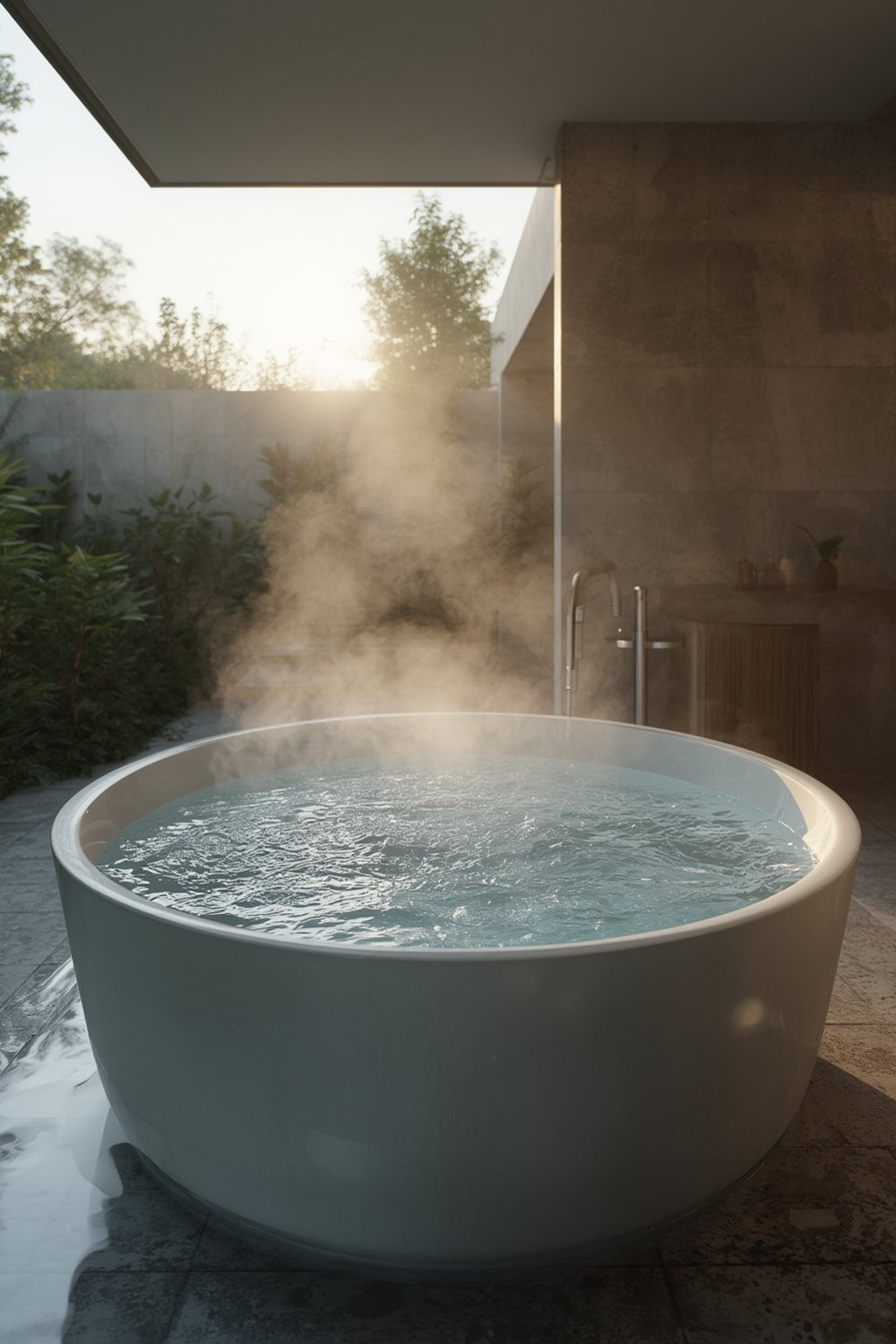
Cold plunge tubs range from simple stock tanks and converted freezers to advanced self-cooling systems. Regardless of the type, all require careful setup—far beyond just filling with icy water. Cutting corners can lead to leaks, electrical hazards, or even structural home damage. That’s why learning proper site prep, installation, and maintenance is critical. Cold plunge tubs appear in homes, spas, and even alongside DIY home repair projects for holistic wellness routines, making installation knowledge more important than ever.
Step-by-Step Guide to Installing a Cold Plunge Tub at Home
Follow these detailed steps for a stress-free installation:
- Choose Your Location
- Pick a spot with at least 2-3 feet of space on all sides for access
- The floor must be level and sturdy—concrete is ideal
- For indoor installs, ensure the ceiling is at least a foot higher than the tub’s rim; check for wide doorways for delivery
- Indoor sites need waterproof floors (tile, vinyl, sealed concrete) and ample ventilation to prevent mold
- Outdoor placements require shade, drainage, and weather protection
- Prep the Foundation and Drainage
- Reinforce wood floors if installing upstairs; a filled tub can weigh 2,000—4,000 pounds
- Use a gravel base, reinforced concrete, or thick pad if outdoors
- Install or confirm a working drain nearby—either floor drain, dedicated sump pump, or plan for periodic hose drainage
- Plumbing Essentials
- Install a dedicated faucet (cold water only is fine for chilling)
- Some tubs hook up to hoses, but pro units often require hard plumbing—a licensed plumber may be needed
- Check if local permits are required before modifying pipes
- Electrical Configuration
- Chillers and advanced tubs require dedicated circuits, usually 110V/120V or 220V/240V (10-30 amp circuit is common)
- All outlets must be GFCI-rated (ground fault circuit interrupter)—crucial for safety, especially outdoors
- Never use extension cords; always hire a licensed electrician to avoid code violations or safety risks
- Chiller should be mounted within 3 feet of the tub; longer runs (up to 8 feet) can reduce efficiency
- Insulation and Tub Placement
- Apply foam or specialized insulation to minimize energy loss, especially in colder climates or outdoors
- Install the tub and test for leaks, using plumbing tape and silicone sealant
- Fill and drain once to confirm all systems work before “going live”
- Permits and Final Checks
- Permits may be needed for electrical, plumbing, or structural modifications—always check local codes to avoid fines or voided warranties
- Double-check waterproofing and ventilation before regular use
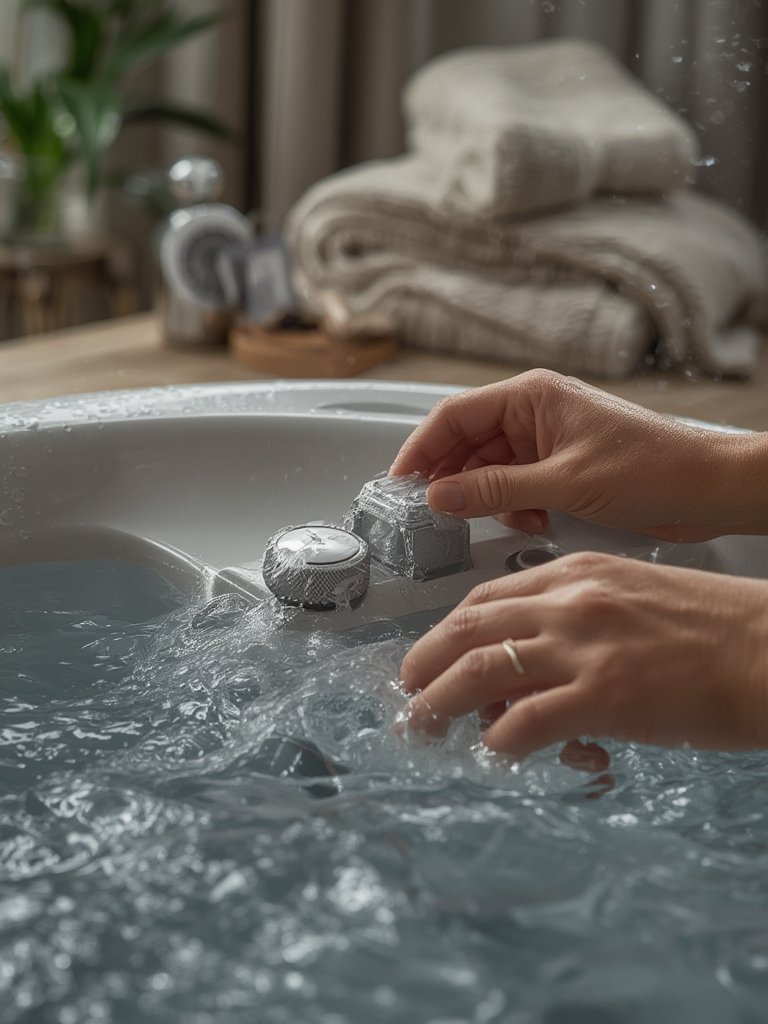
Once installed, routine maintenance is vital: change the water frequently, sanitize surfaces, and keep an eye on all hardware. To streamline your process, check out our resources on complete interior maintenance and energy-efficient home upgrades that complement wellness tubs and minimize operating costs.
Advanced Analysis & Common Pitfalls
Many first-time buyers underestimate the challenges of installing and operating a home cold plunge tub. Here’s what often goes wrong—and how to avoid it:
| Step/Area | Common Pitfall | How to Avoid It | External Reference |
|---|---|---|---|
| Floor/support | Floor buckling or sagging from weight | Always reinforce structures; use professional installation if unsure | Haven of Heat Guide |
| Plumbing | Leaks, mold, or improper drainage | Test the system before regular use; add secondary waterproofing—use floor drains if possible | Peak Primal Wellness |
| Electrical | Breakers trip or unsafe wiring | Dedicated GFCI circuit; no power strips; licensed electrician is mandatory | Sun Home Saunas |
| Chiller placement | Reduced efficiency or overheating | Chiller within 3 feet of the tub | Peak Primal Wellness |
| Permitting | No permit (risk of fines, denied insurance/warranty) | Check with city building department prior to work | Sun Home Saunas |
| Long-term maintenance | Neglecting sanitation, water quality | Change water at least weekly, use safe sanitizers, and routinely check filtration if equipped | Home Maintenance Tips |
Other sneaky problems include:
- Electrical upgrades: Often needed for older homes—can run $500 to $2,500 or more if panels need upgrading
- Flooring and insulation costs: Unexpected expenses if subfloors are weak or unprotected
- Permit fees and code compliance: Skipping may void warranties or lead to legal headaches; always confirm with local authorities
- Water usage & utility bills: Each fill may be 100–250 gallons; keep efficiency in mind
- Maintenance: DIY models can be hard to sanitize; pro tubs may need periodic service calls

Many top competitor articles skip these real-world pitfalls. For a broader context on planning home upgrades or addressing hidden home repair issues, explore remodeling costs and DIY project tips.
Conclusion: Making Your Cold Plunge Tub Investment Work
Installing a cold plunge tub is more complex than it appears—structural support, electrical requirements, drainage, and ongoing maintenance all play a role. If you want safe, effective cold therapy at home, sweat the details up front. Check for permits, reinforce your foundation, and plan for ongoing upkeep. When in doubt, review the installation instructions or consult a pro. For more wellness-focused home solutions, see our guides on bathroom remodeling and energy-saving upgrades—they pair perfectly with your new cold plunge tub setup. Ready to get started? Research your chosen location, call a licensed electrician, and schedule a planning session. A well-done plunge install is a long-term investment in your health and your home.
Frequently Asked Questions
What foundation is best for a cold plunge tub?
A level, reinforced concrete pad is ideal. For indoor installs on wood floors, you may need extra joist support—or consider a basement or garage location, which already handles high loads.
Do all cold plunge tubs require dedicated electrical circuits?
Most self-cooling or chiller-equipped tubs require a dedicated GFCI circuit, either 110V or 220V. Basic models without active cooling need less—but electricity is almost always involved for safety.
How often should I change the water in my tub?
Change the water at least once a week (or more for frequent use). Use safe water sanitizers, and always rinse off before entering the tub to reduce contamination.
Is it possible to install a cold plunge outdoors?
Yes—just ensure you use weatherproof outlets, cover the tub when not in use, and reinforce the ground. Outdoor installs may require extra insulation and debris protection.
Are permits really required for a home cold plunge install?
Often, yes—whenever electrical or plumbing modifications are made. Always check your city’s requirements or risk voiding insurance and warranties.