

Natural light wellness is more than a trend—it’s a science-backed strategy for better mood, health, and daily performance at home or work. If you want to unlock the power of the sun from inside your walls, this guide dives straight into why it matters plus exactly how to do it.
Key Takeaways
- Increasing daily exposure to natural light can boost mood, regulate sleep, and support immune function.
- Simple changes—like adjusting window treatments or installing skylights—offer measurable wellness improvements for residents and employees.
- Awareness of realistic obstacles, maintenance, and expectation management are essential when considering daylight upgrades.
- The Core Concept of Natural Light Wellness
- Step-by-Step Guide: Bringing More Natural Light Indoors
- Advanced Analysis & Common Pitfalls
- Conclusion
- Frequently Asked Questions
The Core Concept of Natural Light Wellness
Natural light wellness means intentionally maximizing your exposure to direct sunlight or daylight-simulating conditions inside your living or working space. This approach is grounded in a growing collection of scientific research linking daylight to optimal sleep, mood, productivity, and physical health.
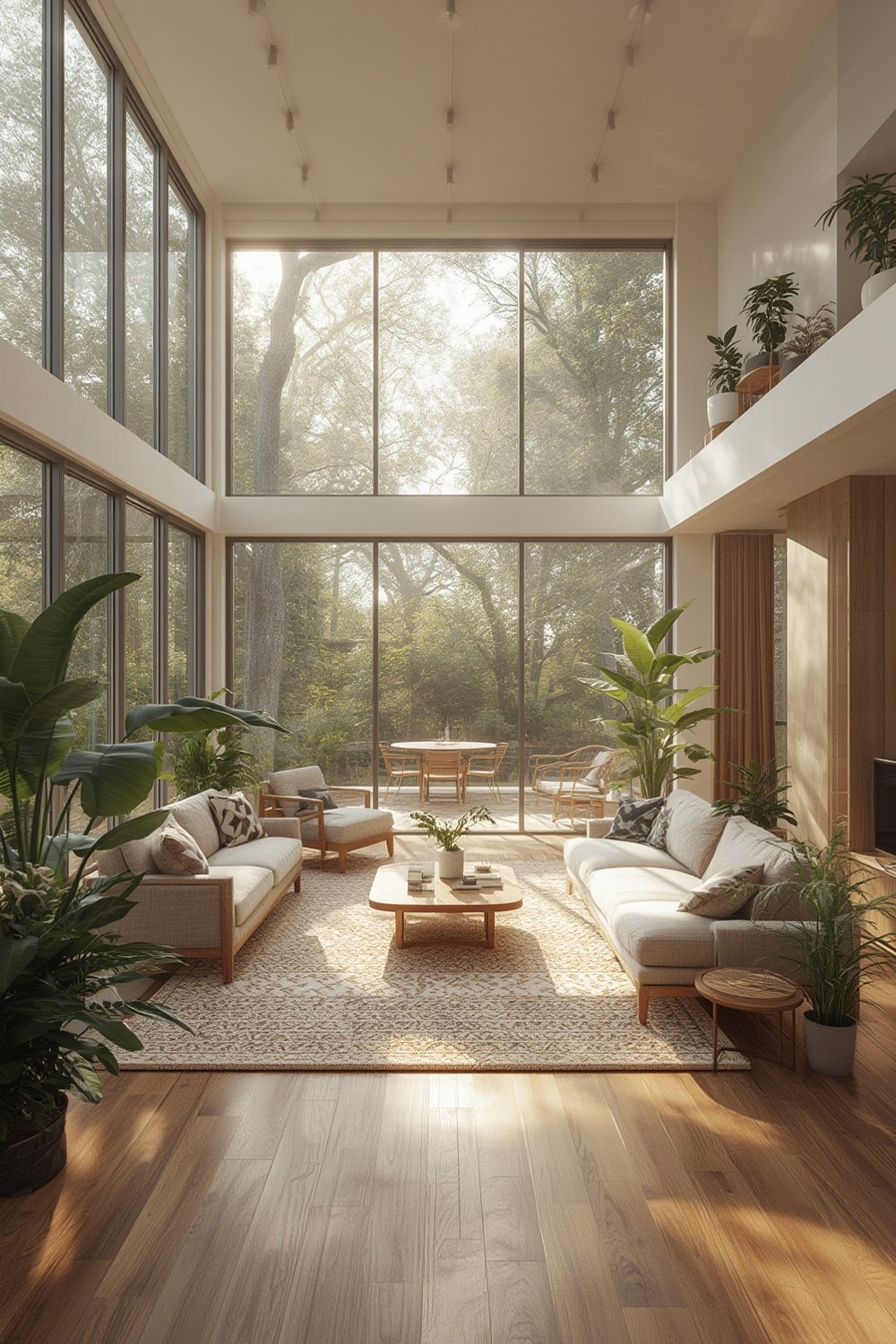
Research from 2024 found that just one hour of morning sunlight each winter significantly reduces depression symptoms, especially for people with seasonal affective disorder (Cleveland Clinic). Regular exposure during daylight hours boosts serotonin for better mood, regulates your internal clock for deeper sleep, and supports vital vitamin D production, key for immunity and bone health (Stanford Lifestyle Medicine, GoodRx).
Whether you’re at home or in an office, more daylight means improved alertness, cognitive performance, and overall well-being. Daylight can be harnessed indoors through large windows, skylights, solar tubes, or simple space and curtain adjustments.
If you’re already making other home improvements, you can tie these natural light wellness upgrades into your home repair, DIY projects, or even your smart home retrofit.
Step-by-Step Guide: Bringing More Natural Light Indoors
Ready to make your space truly sunshine-friendly? Here’s how to start—whether you rent or own.
1. Assess Your Existing Daylight Potential
- Map how sunlight moves through your space from morning to evening.
- Note rooms with blocked, shaded, or small windows.
- Check for furniture or decor that could be blocking light flow.
2. Quick Fixes Without Construction
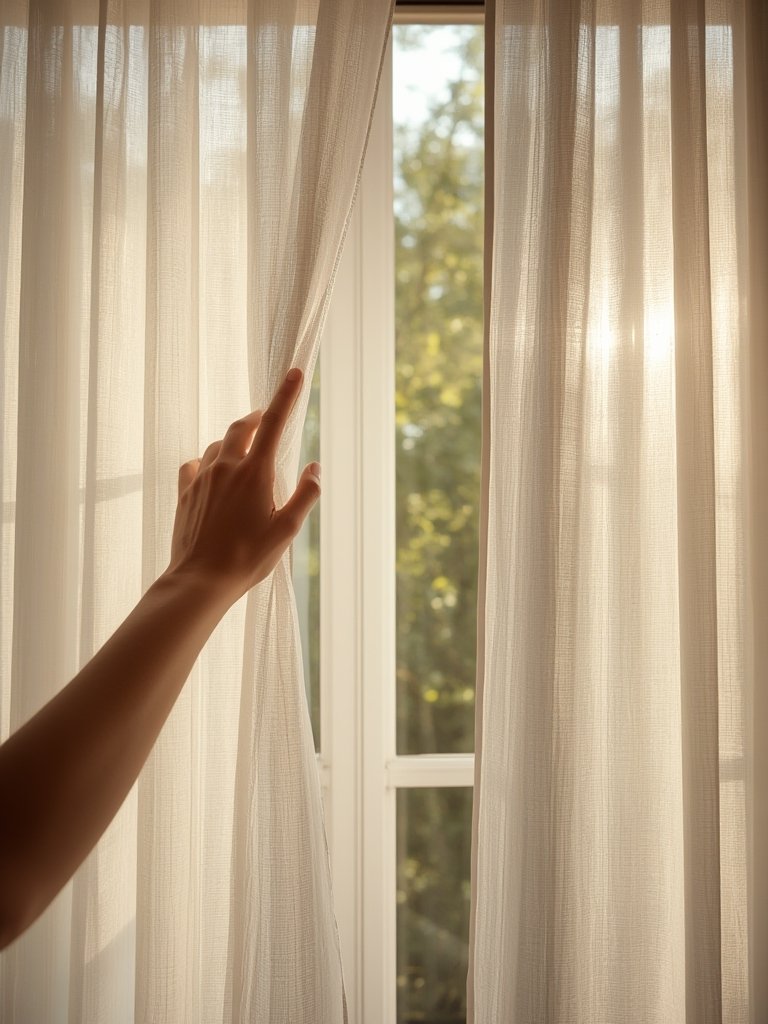
- Switch to sheerer curtains, or keep window treatments open during peak sun hours.
- Clean your windows regularly for maximum light transmission.
- Select lighter wall paint colors and finishes to reflect light further (see our painting guide).
- Add reflective decor and minimize clutter near daylight sources.
3. Upgrade for Major Impact
- Consult a pro about installing skylights, solar tubes, or sun tunnel skylights if feasible.
- When remodeling, specify large windows in living/work areas and bathrooms (see tips in our remodeling guide and bathroom remodels).
- Consider glass doors, open-space layouts, or glass block walls for modern spaces.
4. Mind the Details
- If possible, orient beds and desks to face light sources directly.
- Set up your morning routine near the brightest spot—even a breakfast table, yoga mat, or email workstation.
- Pair daylight with greenery or fresh decor—see our holiday decorating inspiration for ideas.
Even in window-poor spaces, adding a daylight-mimicking lamp or planning regular outdoor breaks can help your circadian system and mood thrive.
Advanced Analysis & Common Pitfalls
Installing new daylight solutions or trying to optimize your space isn’t always as simple as it sounds. Here are some of the real-world issues and what to watch out for as you go.
| Obstacle | Description | How to Manage or Fix |
|---|---|---|
| Poor Window Orientation | Windows facing north or blocked by neighboring structures provide little direct sun. | Consider skylights, solar tubes, or mirrors to redistribute light. Prioritize brightest rooms for daily use. |
| Budget Constraints | Major upgrades like skylight and solar tube installation can be expensive. | Start with low-cost fixes (paint, curtains, layout). Consult DIY improvement resources for affordable solutions. |
| Climate and Seasonality | Short winter days, overcast weather, or hot summers make maximizing exposure tricky. | Take advantage of every sunlit hour, consider supplemental daylight-mimicking bulbs in winter or for windowless spaces. |
| Maintenance Concerns | Skylights and solar tubes require cleaning and checking for leaks; dirty windows reduce light drastically. | Schedule biannual window/skylight cleaning, inspect seals, and clear roof debris promptly. |
A review of scientific reporting (source) and consumer sources found no widely shared pain points or installation complaints—be realistic about project timelines and ongoing cleaning. There are also no standards or certifications uniformly required for daylight solutions in 2024, so consult with reputable local contractors.
There’s also a lack of direct research comparing pro versus DIY biophilic lighting—but what matters most is regular, consistent exposure throughout your day.
Conclusion
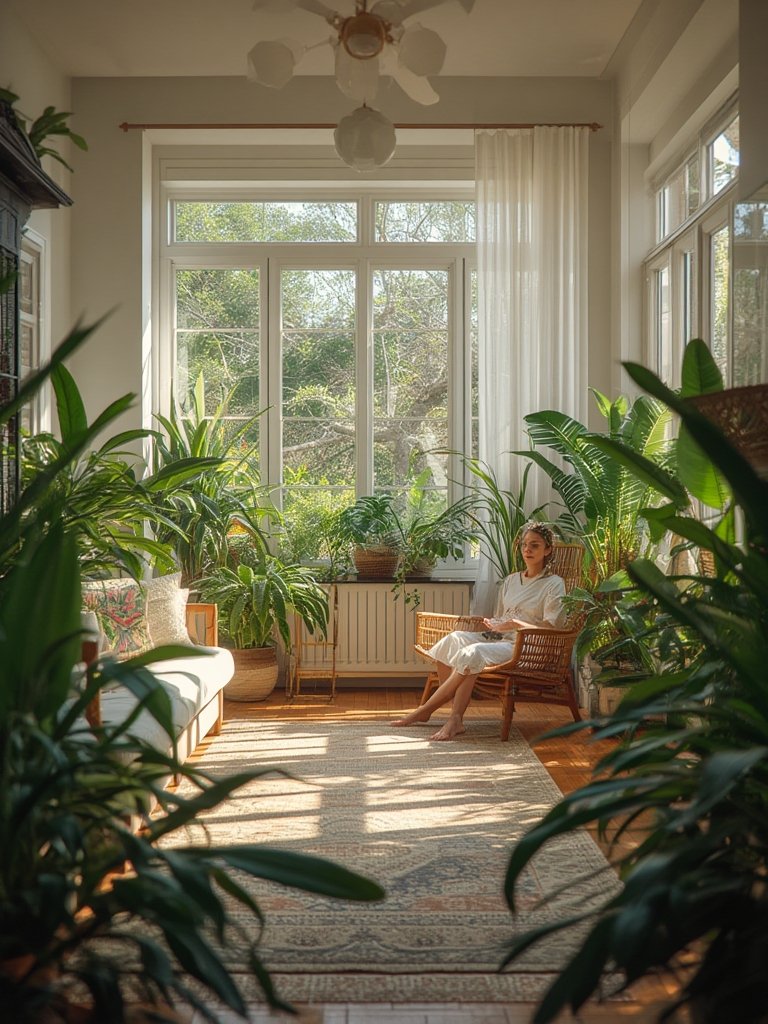
The evidence is clear: even modest improvements in indoor daylight lead to reduced depression, better sleep, stronger immunity, and sharper thinking. From low-cost curtain swaps to full skylight remodels, natural light wellness is both accessible and powerful. Start small—open a curtain, move your morning coffee to a sunny corner—or go big with new windows or tubes. Your health, happiness, and daily energy will thank you.
Ready to take action? Explore other DIY repair options alongside your light upgrades, or pair your wellness revamp with a smart home setup.
Frequently Asked Questions
How much natural light do I need every day?
Science suggests just one hour of daylight—especially in the morning—can greatly improve mood, energy, and sleep quality. Aim for morning sun when you can, but any daylight helps.
What’s better: more windows or a skylight?
If feasible, both will maximize sunlight distribution indoors. If you only pick one, choose based on room layout and where daily activity occurs. Skylights are ideal for upper floors or dark halls.
Can daylight help with depression or sleep?
Yes. Studies show regular exposure to natural dawn or sunlight regulates circadian rhythms and increases serotonin, which supports mood and restful sleep. The benefit is highest in the morning.
Do window films or treatments block health benefits?
Certain UV-blocking films can reduce vitamin D production from sunlight. To still get wellness benefits, open windows regularly or combine with outdoor time.
Are there maintenance issues with skylights or solar tubes?
Yes. Both need periodic cleaning, seal checks, and inspection for leaks. However, with basic twice-yearly upkeep, they’re a low-risk way to boost indoor daylight.