


Focus Keyword: Butler’s pantry
Key Takeaways
- A Butler’s pantry adds functional storage and prep space, but costs and requirements can escalate quickly based on features.
- Most homeowners underestimate technical needs and ongoing maintenance, making expert planning and code compliance essential.
- Not all pantries are alike—differences in design, plumbing, and workflow can affect cost, usability, and your overall satisfaction.
The Core Concept
A Butler’s pantry is more than just a place for extra shelves. It’s a dedicated space between your kitchen and dining area (or tucked discreetly out of sight) designed to streamline meal prep, staging, and storage. In today’s homes, a butler’s pantry can be a simple cabinet upgrade, a walk-in room, or even a full-on secondary kitchen complete with appliances and sinks. The idea is simple: keep the mess and clutter out of sight, add extra functionality, and boost your home’s value—or at least its daily utility.
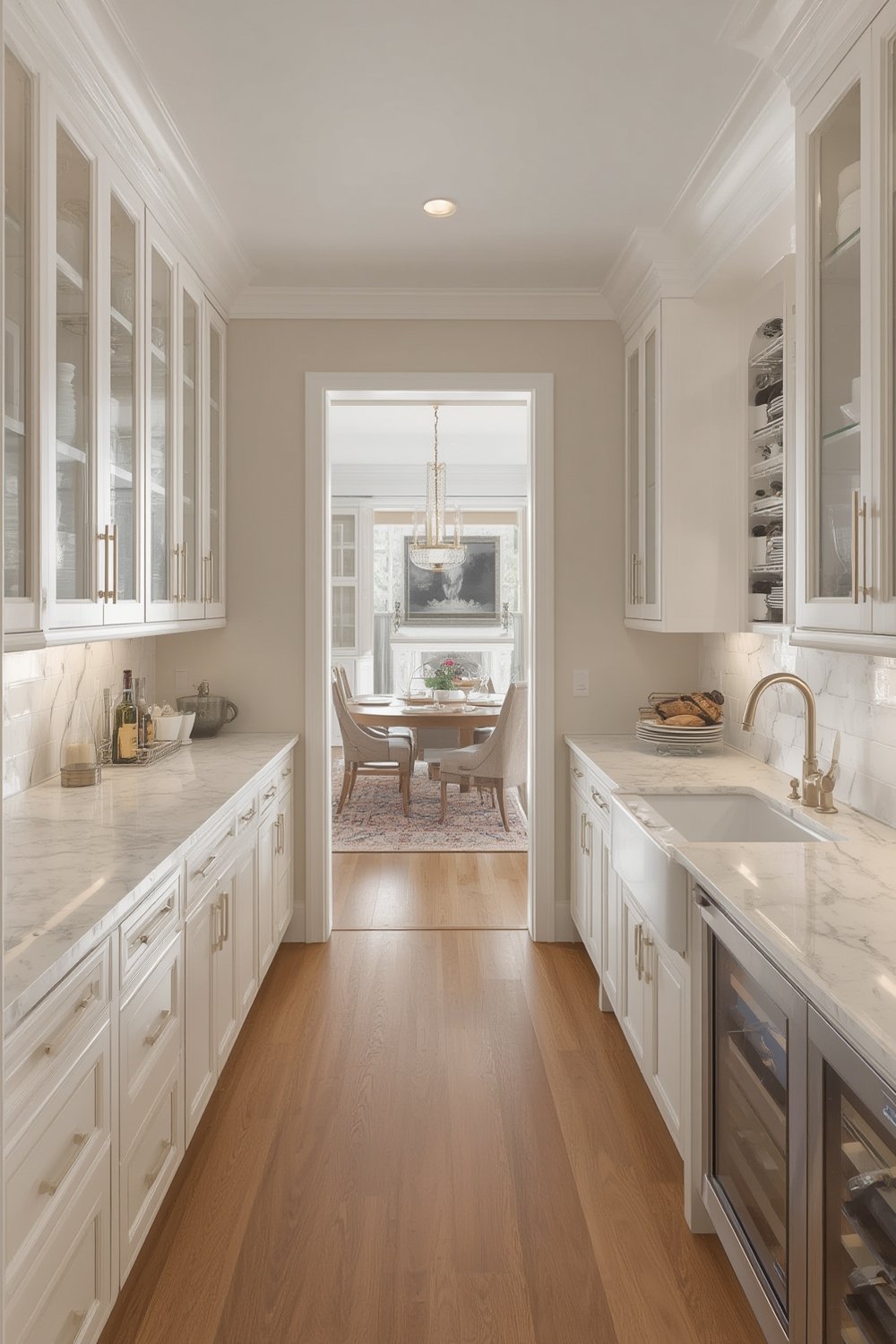
The butler’s pantry originated as a vital back-of-house workspace for plating, cleaning, and storing valuables. Today, it’s a practical must-have in modern home design, ideal for coffee stations, beverage centers, and overflow meal prep when you’re entertaining guests—or just hiding your countertop appliances.
Cost and complexity vary greatly based on your vision. A basic butler’s pantry with shelves and counter may run $3,000–$15,000 in the US, while a full secondary kitchen or scullery can easily reach $35,000 or more (source, source). Understanding why you want one—extra storage, baking prep, or a true party hub—should shape all design and budget decisions.
Step-by-Step Guide
Taking on a butler’s pantry project, whether a DIY update or a full remodel, means tackling planning, budgeting, and tricky technical considerations. Here’s how to do it right—and avoid the most common regrets.
Step 1: Define the Purpose
Is your priority food storage, meal prep, entertainment staging, or an out-of-sight coffee station? Write a list of “must-have” and “nice-to-have” features. If you need plumbing or appliances, your scope and costs will go up.
Step 2: Choose the Right Pantry Type
- Basic Butler’s Pantry: Storage plus counters. Usually no plumbing.
- Mid-Range / Prep Pantry: Adds sinks, outlets, and possibly small appliances.
- Scullery Pantry: Full utility area for dishwashing, prep, and heavy-duty use—most expensive and labor-intensive.
For a comprehensive guide on kitchen upgrades, see our Complete Guide to Kitchen and Bathroom Remodeling Costs Ideas and Steps.
Step 3: Budget and Cost Factors
- Basic storage and counter: $3,000–$15,000
- With sink/cabinetry: $15,000–$35,000
- Full scullery or secondary kitchen: $35,000–$70,000+ (source)
Include demolition, plumbing, wiring, permits, and custom cabinetry ($60–$1,200 per linear foot). Aim for clear line items in your contractor’s quote (source).
Step 4: Prioritize Technical Needs
- Plumbing (sink, dishwasher): $2,000–$7,000
- Electrical (outlets, lighting): $6–$8 per sq ft
- Permits: $400–$2,200—essential for code compliance
Basic cabinet pantries may skip expensive utilities, but anything more involved usually won’t. A licensed contractor helps avoid costly code mistakes—get referrals and always read reviews. Learn more about vetting contractors in our Bathroom Remodeling Guide.
Step 5: Think Storage and Workflow
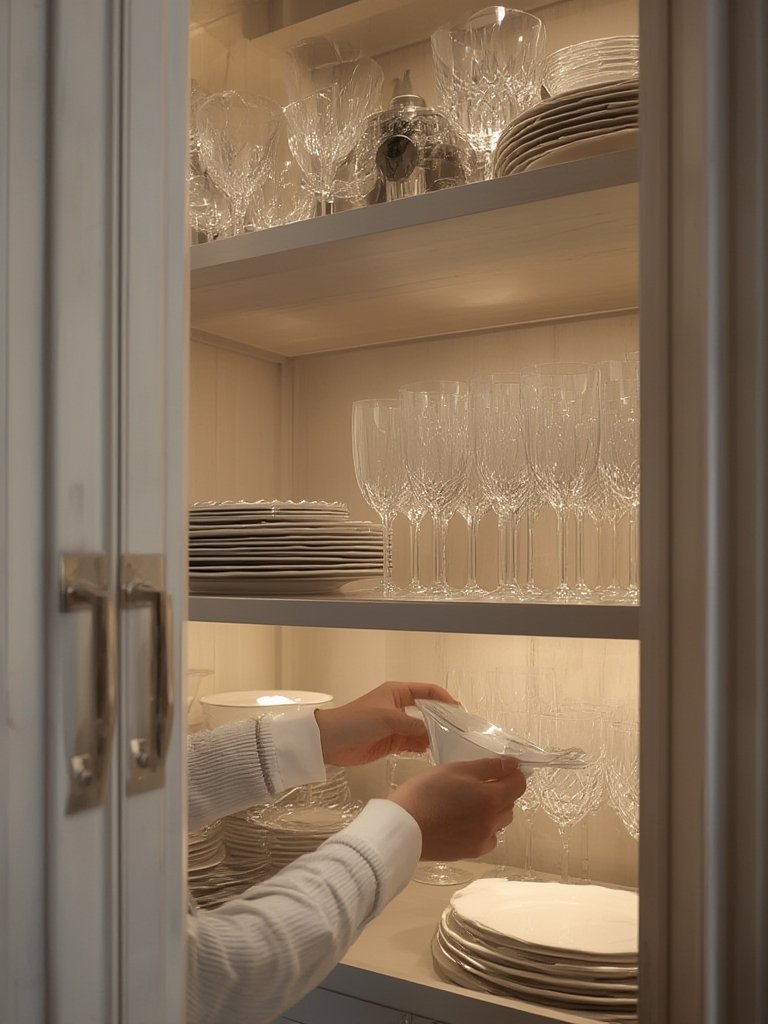
Custom drawers, roll-outs, and integrated lighting make a huge difference in day-to-day usability. Don’t just add shelves; design for how you’ll actually use the space. For seasonal storage tips, check our Holiday Decor Guide.
Step 6: Test Access and Finishes
After rough-in, test the swing of doors, appliance placement, and traffic patterns before your installer completes trim. Tiny changes now prevent years of annoying inefficiency. Need more tips for functional design? See our Home Repair Made Simple resource.
Advanced Analysis & Common Pitfalls
Even with research, real-world issues can derail the perfect butler’s pantry project. Here’s what trips up many homeowners—and how to avoid it.
Comparison of Pantry Types and Requirements
| Type | Main Functionality | Typical Cost Range | Plumbing / Electrical | Common Challenges |
|---|---|---|---|---|
| Butler’s Pantry | Prep + Storage | $3,000–$15,000 (basic) $15,000–$35,000+ (with sink/appliances) |
Often required | Scope creep, code issues, underused counters |
| Walk-In Pantry | Storage Only | $750–$3,500 | Rarely required | Lack of outlets, clutter, weak lighting |
| Scullery | Heavy-duty Dish/Prep | $5,000–$70,000+ | Always required | High cost, airflow, workflow jams |
Common Pitfalls and Problems
- Underestimating Cost: Mid-project surprises are common, especially if you uncover plumbing or wiring issues. Always add 15–20% to your budget for contingency.
- Workflow Inefficiency: Poor appliance placement or awkward access make the pantry less useful. Test with masking tape before finalizing placement.
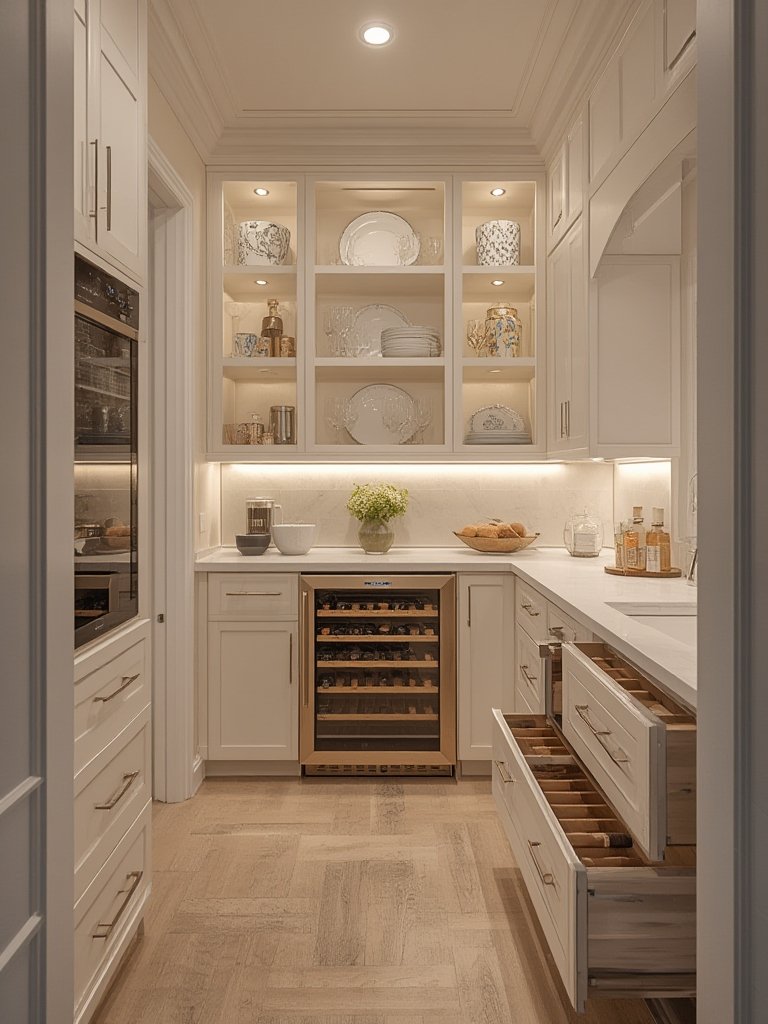
- Insufficient Outlets or Lighting: Skimping here makes appliance zones impractical. Pre-plan needs for coffee stations, wine fridges, or blenders.
- Maintenance Oversights: Deep shelving and dark corners collect dust and clutter fast. Opt for easy-clean surfaces and pull-out drawers.
- No Clear Permit or Code Strategy: Skipping proper permits can trigger costly delays or fines, especially with electrical or plumbing upgrades. Learn more about DIY versus pro upgrades in our DIY Home Improvement Tips.
Most sources do not list concrete homeowner complaints, but these workaround-based issues surface repeatedly in kitchen planning (source, source). Preventing disappointment is about anticipating what will actually work in your day-to-day life—and not just what looks good in a magazine.
Conclusion
A well-planned Butler’s pantry can change how your kitchen feels and functions—but getting it wrong is easier than most people think. Start with purpose, budget for surprises, and insist on practical, code-compliant solutions. Focus on real needs and workflow, not just Pinterest aesthetics. If you’re about to start, take your time, research contractors, and review other home upgrade guides like our Complete Guide to Interior Painting for Homes and Businesses. Ready to create your hidden kitchen MVP? Plan smart, and rethink what’s possible within your available space.
FAQ Section
How much does a typical butler’s pantry cost to add in 2024?
Costs in the US run from about $3,000 for a simple storage upgrade to over $35,000 for advanced builds with sinks and appliances. Full scullery setups may exceed $70,000. Planning for plumbing, electrical, and permit fees can prevent most budget overruns.
What’s the main difference between a butler’s pantry, walk-in pantry, and scullery?
A butler’s pantry acts as a prep-and-storage area, often with counters and sometimes plumbing. Walk-in pantries are primarily for storage and have limited technical needs. Sculleries offer heavy-duty utility, dishwashing, and serious prep functions and require full plumbing and electrical services.
Do I need a permit to add a butler’s pantry?
If your design adds or alters plumbing or electrical lines, or makes structural changes, a permit is required in most US locations. Always check with local building offices before starting work.
Is a butler’s pantry worth it for resale?
Current research hasn’t quantified the resale value impact, but buyers appreciate functional storage and prep areas. It can help your home stand out—just don’t expect every dollar spent to be recouped at sale.
Can I build a functional pantry without major renovation?
Yes, many homeowners convert closets or nook spaces into basic butler’s pantries using modular shelves and affordable cabinets. For more involved work, professional help is usually needed to ensure safety and compliance.