

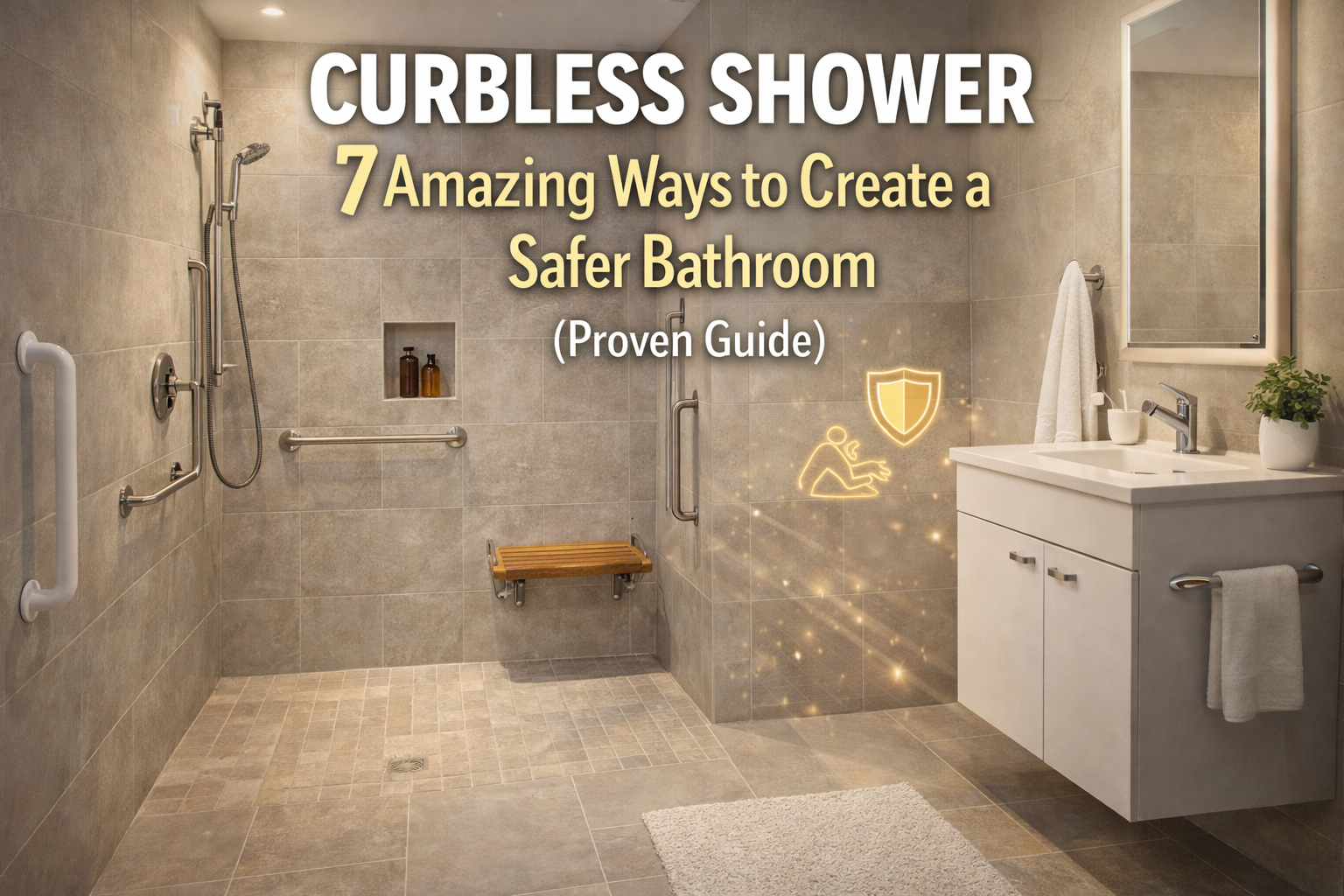
Curbless shower design is rapidly changing the way homeowners approach bathroom accessibility and style, blending barrier-free living with sleek, modern aesthetics right from the start of your remodel.
Key Takeaways
- Curbless showers eliminate tripping hazards and streamline accessibility for all ages in bathroom remodels.
- Installation can be costlier and more complex, especially concerning subfloor modifications and drainage control.
- Universal design features, such as linear drains and slip-resistant surfaces, boost both safety and visual appeal.
- Curbless Showers: What They Are and Why They Matter
- How to Plan and Install a Curbless Shower
- Advanced Analysis: Pitfalls, Drainage, and Real User Challenges
- Conclusion
- Frequently Asked Questions
Curbless Showers: What They Are and Why They Matter
A curbless shower is a walk-in shower built without the raised edge or threshold typically found in conventional showers. Instead, the shower floor continues seamlessly from the bathroom floor, usually sloping gently to direct water flow into a specially designed drain. The absence of a curb removes physical barriers, making showers more accessible for everyone, regardless of age or mobility.
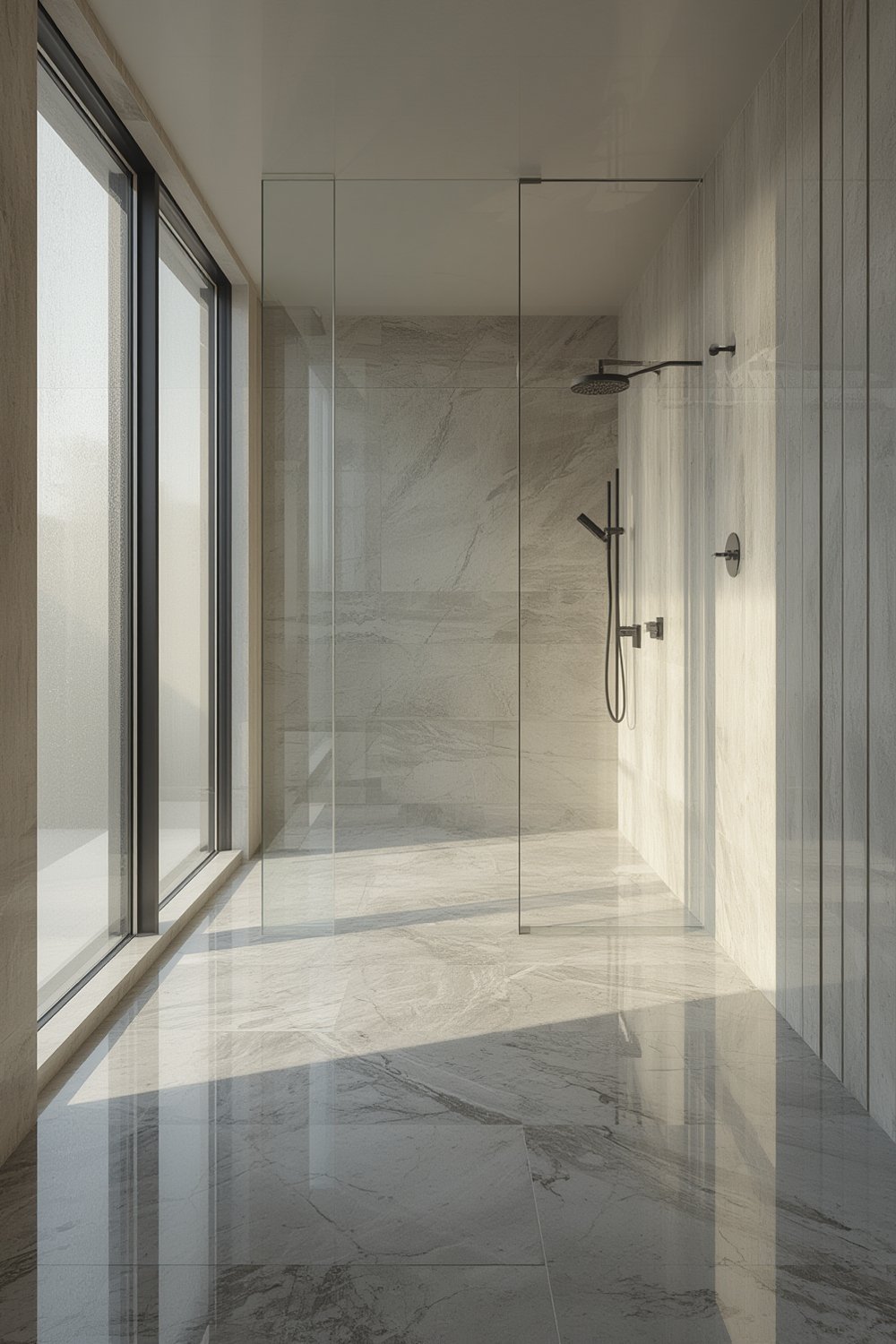
The 2024 Houzz Bathroom Trends Study found that 21 percent of renovated showers were curbless, underscoring the growing demand for accessible and modern bathrooms. Although slightly down from last year, the interest remains strong, particularly for those investing in “aging in place” features.
Unlike standard curb showers, curbless designs support universal design—a concept focused on making living spaces functional and beautiful for everyone.
You’ll find more curbless showers in wet rooms, which combine the shower and bathroom space for easier cleaning and space efficiency. These solutions are recommended not just for practical reasons but for their open, minimalist look, often paired with frameless glass that makes smaller bathrooms feel larger.
If you’re planning broader projects, our Complete Guide to Kitchen and Bathroom Remodeling Costs Ideas and Steps includes budgeting strategies and timelines to help align your bathroom upgrade with other home improvements.
How to Plan and Install a Curbless Shower
Installing a curbless shower requires careful planning and usually professional expertise. Follow these key steps for a safe, functional, and visually appealing result.
- Assess the Structure: Evaluate your existing floor framing, plumbing, and bathroom layout. Curbless showers typically need recessed subfloor sections to ensure a continuous surface and adequate drainage slope. Subfloor modifications can add $500 to $2,000 or more to the project cost.
For detailed budgeting, check our Complete Guide to Bathroom Remodeling Costs Ideas and Local Services. - Select the Right Shower Location: Curbless showers work best with open bathroom footprints. Avoid placing a curbless entry where water is likely to escape onto other areas, like near doors or directly adjacent to wooden cabinetry.
- Opt for a Reliable Waterproofing System: Choose quality waterproofing membranes or wet room systems to protect against leaks. This is non-negotiable; improper waterproofing leads to significant long-term damage.
- Choose Drain Type and Placement: Linear drains provide a wide entry zone and reduce the required floor slope, while center drains require four-way sloping. For style and accessibility, linear drains are increasingly preferred.
- Tile Selection: Use nonslip, large-format tiles for easier cleaning and a seamless look. Over 87 percent of homeowners pick tile for shower floors and walls, according to recent data.
- Install Necessary Grab Bars and Seating: Even if you do not need these features now, prepare wall reinforcements for future installation. This small investment adds long-term flexibility.
- Consider Frameless Glass: Frameless glass enclosures keep water inside the shower zone and create a feeling of openness—these rank as a top designer choice for both beauty and accessibility.
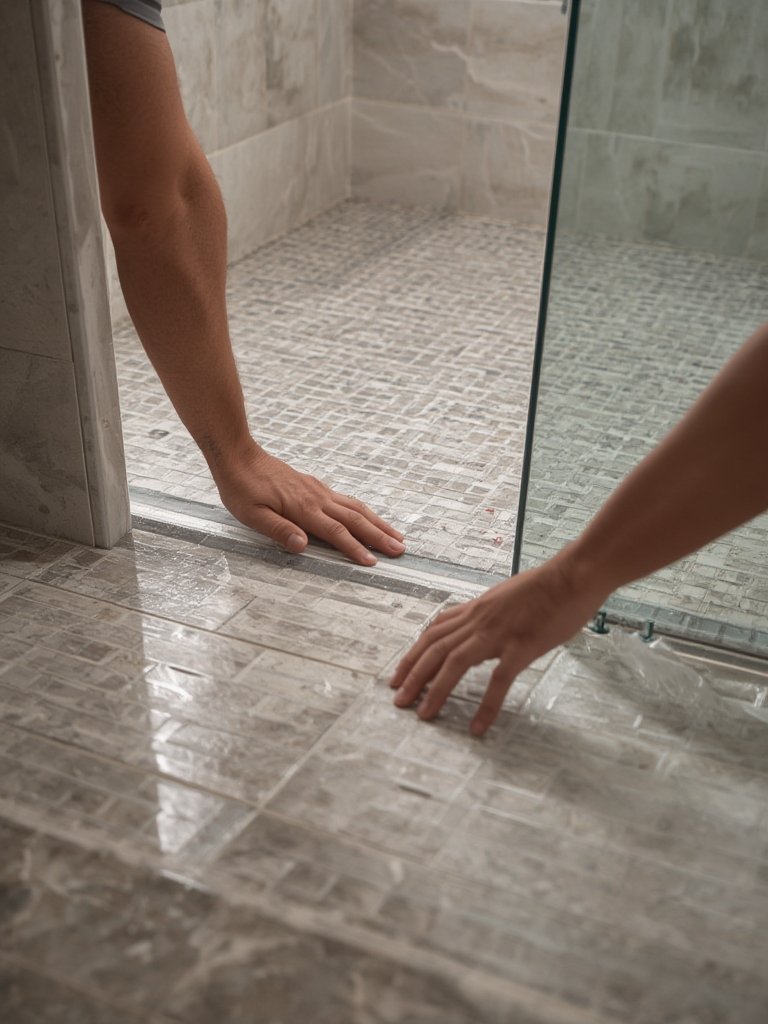
- Finalize Plumbing & Fixtures: Choose thermostatic mixing valves and well-placed showerheads to reduce risk of scalding and enhance comfort.
Universal design isn’t just about accessibility; features like heated tile floors and humidity-sensing ventilation deliver safer, more enjoyable showers while keeping maintenance needs low. For more smart and safe upgrades, see our DIY Home Improvement Tips for Smart Safe Energy Efficient Projects.
Advanced Analysis: Pitfalls, Drainage, and Real User Challenges
While curbless showers offer accessibility and modern flair, there are potential challenges that homeowners and designers should address early on.
- Drainage Issues: Achieving adequate slope without a curb requires skilled workmanship. Improperly sloped floors can cause water pooling or leaks, especially near the entrance.
- Water Containment Concerns: Without a physical threshold, water migration into the rest of the bathroom becomes more likely. Frameless glass and well-placed drains help, but not all bathroom layouts are ideal.
- Installation Complexity & Cost: Cutting into the subfloor, rerouting plumbing, and fully waterproofing the space all add to project complexity compared to traditional showers. Expect additional costs of $500 to $2,000 for these modifications (source).
- Lack of Clear ADA Standards: There are no universally accepted ADA code requirements for curbless showers in residential settings, leading to confusion about minimum entries, slopes, or hardware.
- Finding Quality Installers: Not all contractors are comfortable or experienced with curbless installations—a bad job leads to leaks and failed waterproofing. Always ask for references and look for specialists.
| Feature | Curbless Shower | Traditional Curb Shower |
|---|---|---|
| Accessibility | Excellent: No step or barrier | Limited: Step-over curb required |
| Water Containment | Relies on slope and glass; can be tricky | Physical curb stops water migration |
| Installation Complexity | High: Requires floor modification | Standard: No change to subfloor |
| Average Additional Cost* | $500–$2,000+ | None |
| Universal Design Appeal | Strong | Low |
*estimated added costs for curbless modifications; varies by project
Competitor articles rarely cover these practical realities, with installation difficulty and long-term maintenance among the most glossed-over topics.
For more thorough project planning, the Home Repair Made Simple guide covers basic remodeling expectations and troubleshooting tips essential for homeowners.
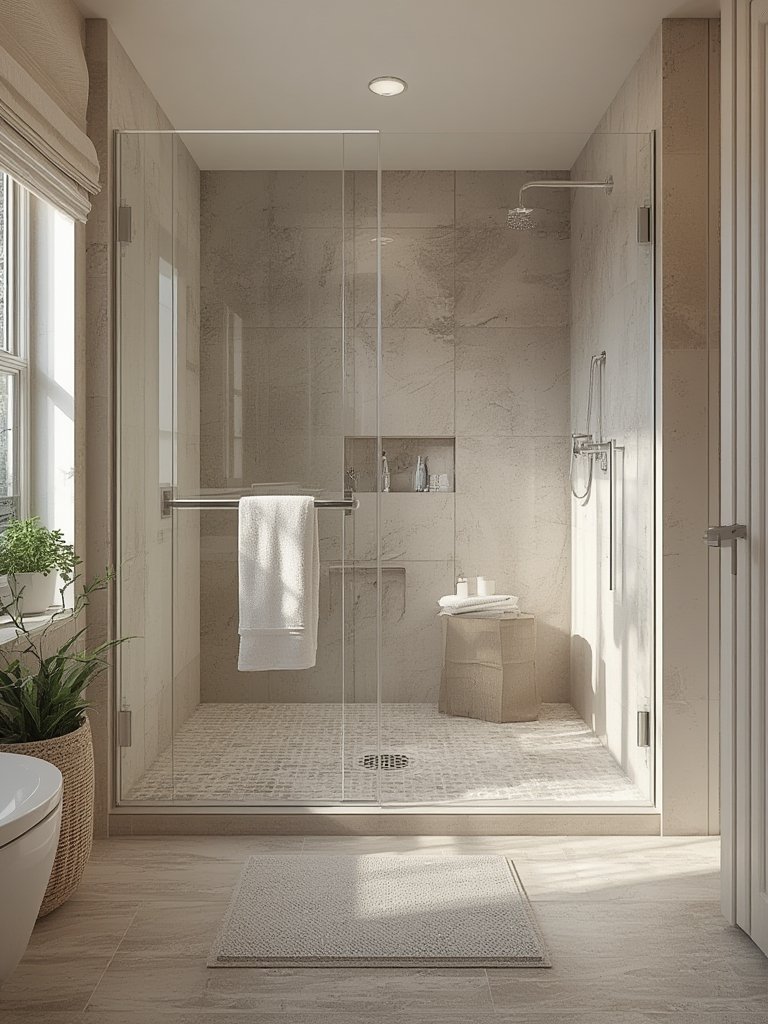
Designers also recommend nonslip floor tile, grab bars, and—where possible—heated floors for the most comfortable experience. For reliable inspiration and cost control, consult Complete Guide to Interior Painting for Homes and Businesses to help coordinate finishes, colors, and textures across your bathroom remodel.
Conclusion
Curbless showers are a leading choice for homeowners wanting accessible, elegant, and future-proof bathrooms. They eliminate barriers, simplify cleaning, and infuse a spa-like feel, but come with added complexity in installation and potential water management challenges. With detailed planning and the right technical solutions, a curbless shower easily becomes the centerpiece of a successful bathroom remodel.
Ready to transform your bathroom? Explore more cost guides, design ideas, and expert tips in our Complete Guide to Bathroom Remodeling Costs Ideas and Local Services. Start planning your curbless shower today for a safer, more beautiful space you’ll love for years.
Frequently Asked Questions
Do curbless showers leak more than traditional showers?
With expert installation and proper floor sloping toward a quality drain, curbless showers do not leak more than standard showers. However, installation mistakes or poor waterproofing can cause issues. Always use experienced contractors and proven waterproofing systems.
Are curbless showers ADA compliant?
There are no residential-specific ADA requirements for curbless showers. Following universal design principles—such as zero-threshold entry, slip-resistant flooring, and reinforced walls for grab bars—offers accessibility benefits even if code details are vague.
How much does installing a curbless shower add to project cost?
Typical subfloor modifications for a curbless shower cost between $500 and $2,000 plus the price of a standard remodel. Upscale choices, like large format tile or custom glass, increase the budget further.
Can you retrofit a curbless shower into an existing bathroom?
Yes, but retrofitting usually means altering the subfloor and adjusting plumbing. In some cases, low-profile tray systems allow conversion with less demolition.
What design features help prevent water escaping a curbless shower?
Proper slope toward a drain, linear drains at the entrance, frameless glass partitions, and careful placement of showerheads minimize water outside the shower area. Nonslip, water-resistant tiles help as well.