

Enclosed porch conversion is one of the most powerful ways to boost your home’s usable space, comfort, and value—but the process is complex, with high costs, tough code, and important decisions about insulation and HVAC. If you want a sunroom you can use all year, don’t start without reading this.
Key Takeaways
- Converting an enclosed porch to a four-season sunroom costs $25,000–$120,000 in 2024, with ROI averaging 60% and property value increases of 4–8%.
- Most online guides skip critical topics—always research insulation methods, building permits, and HVAC before starting your conversion.
- Durability and comfort depend on high-quality insulation and Low-E glass, but specific best options are often missing from top online advice.
- What Is Enclosed Porch Conversion and Why Do It?
- Step-by-Step Guide: How to Convert Your Enclosed Porch
- Advanced Analysis & Common Pitfalls
- Conclusion
- Frequently Asked Questions
What Is Enclosed Porch Conversion and Why Do It?
Enclosed porch conversion means transforming an existing covered porch—often screened or three-season—into a true four-season sunroom. This adds a livable, climate-controlled extension to your home, letting you enjoy sunlight and outdoor views in comfort all year.
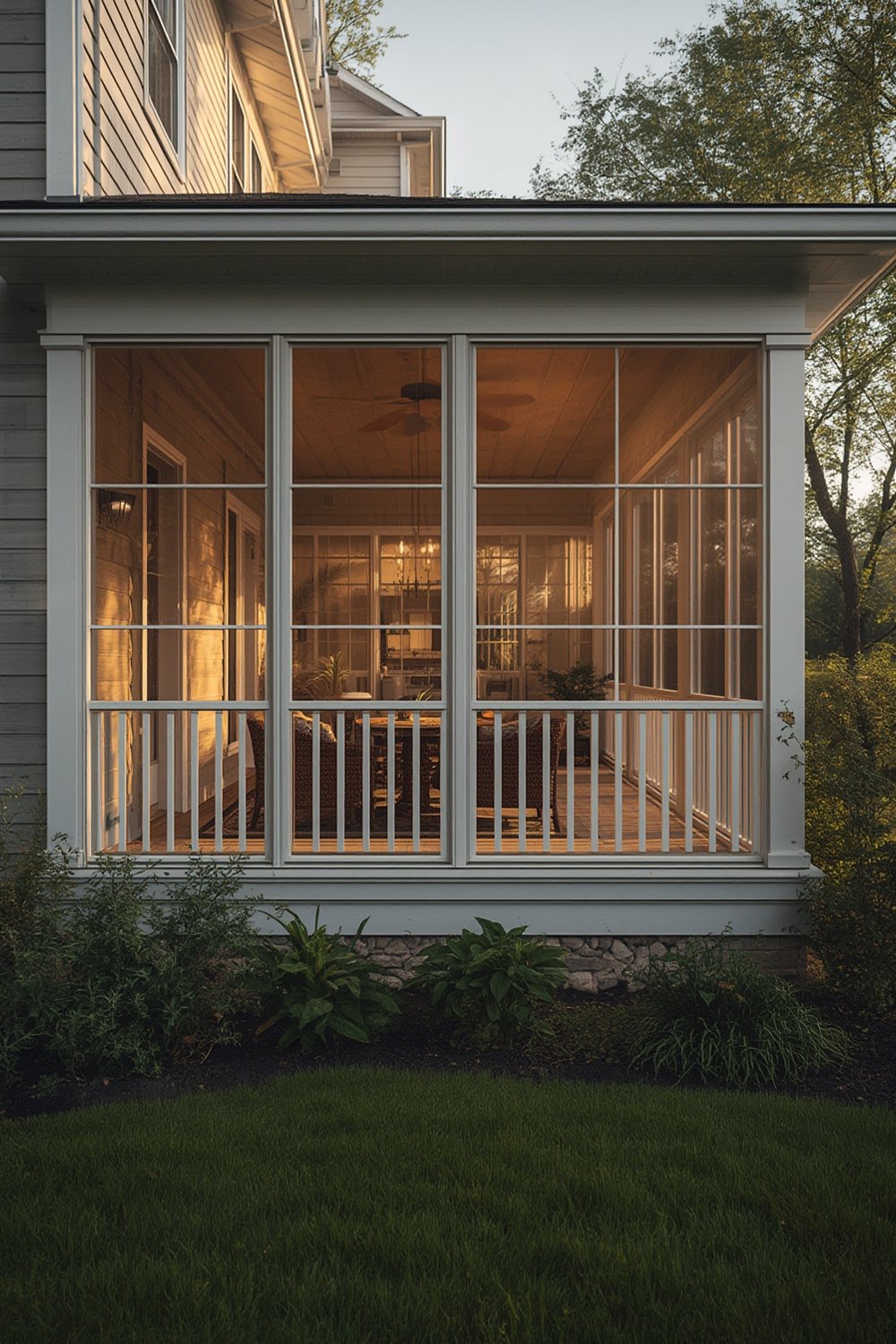
Why do this? First, families get a flexible new living room, dining area, or even home office—flooded with light, always the perfect temperature. Second, it’s a proven upgrade: most homeowners spend around $50,000 and see a resale ROI of about 60%. For many, the sunroom boosts total home value by 4–8%—sometimes adding $16,000 for a $400,000 house (source).
Compared to screened or basic three-season porches, a real four-season conversion requires serious insulation, new windows and doors, and integrating with your home’s heating and cooling. That’s why it’s one of the bigger-value, higher-cost renovations you can take on—more advanced than repainting rooms or simple home repairs.
But beware: doing this right requires careful research. Most online guides ignore present-day code problems, modern insulation upgrades, and the true scope of permits required. If you skip those steps, a sunroom can become a money pit or a liability at sale—so smart planning is essential.
Step-by-Step Guide: How to Convert Your Enclosed Porch
- Assess Your Existing Structure
Confirm your porch’s foundation is insulated and strong enough for year-round use. Most screened enclosures lack vapor barriers or sufficient support. - Set a Realistic Budget
For 2024, expect to spend $25,000–$120,000, factoring in insulation, windows, HVAC, permits, and finish work (source). Most average at $50,000. - Check Local Building Codes and Zoning
Contact your city or county building department to review requirements for living space additions. Permit needs are strict and commonly overlooked. - Design for Four-Season Comfort
Integrate full roof, wall, and floor insulation. Specify windows with Low-E glass and thermal breaks. Consider heated flooring for extra comfort. - Upgrade Windows and Doors
Install double- or triple-pane high-performance insulated glass. Include weatherstripping and thermal breaks to reduce heat loss. - Plan HVAC Integration
Decide if you’ll extend existing ductwork, add a mini-split, or use radiant heaters. All four-season conversions require reliable temperature control. - Secure Permits and Approvals
Submit your plans for permit review, including insulation materials and HVAC specs. Don’t proceed without a green light from inspectors. - Hire Specialists as Needed
Unless you’re a pro, get help from licensed contractors for structural changes, gas lines, and electrical upgrades. - Finish Interiors
Add drywall or paneling, quality flooring, and electrical fixtures. Paint or decorate to match main living areas—see our interior painting guide for pro tips.
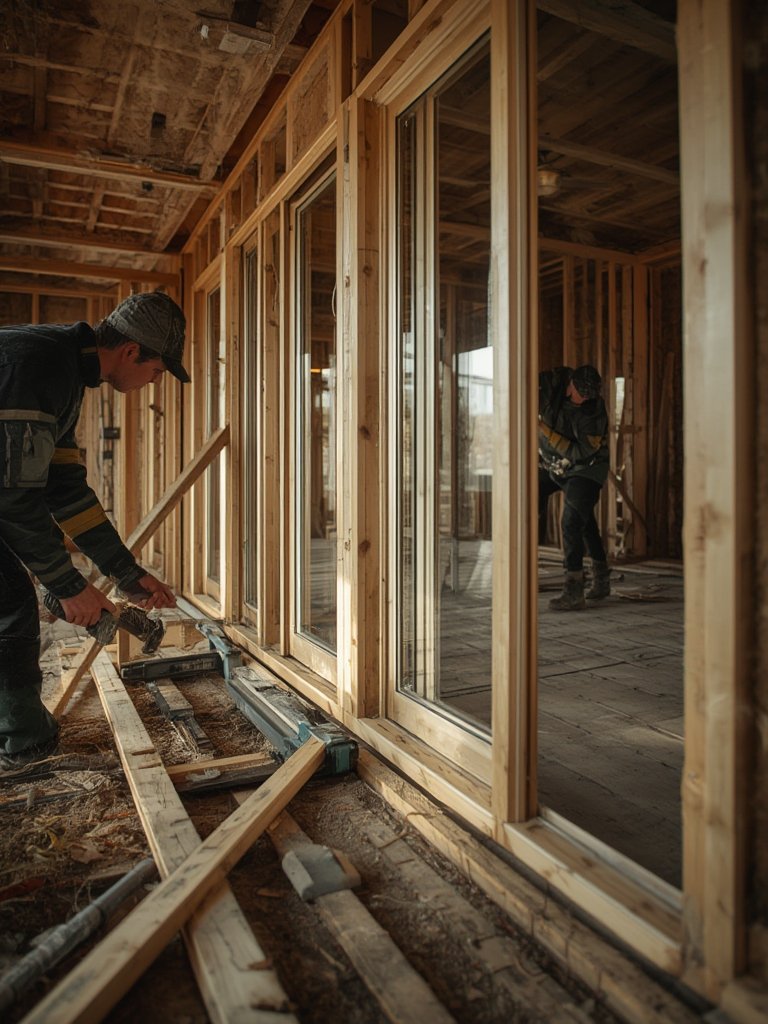
Remember, if you want to add smart home features—from climate sensors to remote blinds—the construction phase is the best time to wire or plan outlets. Check our smart home setup guide for more integration ideas.
Advanced Analysis & Common Pitfalls
Four-season conversions can greatly increase comfort and home value, but they come with challenges. Most problems stem from incomplete insulation, ignored permits, or choosing the wrong window type.
| Conversion Type | Pros | Cons | Energy Efficiency & Comfort |
|---|---|---|---|
| Screened Porch Enclosure | Easy upgrade path Lower cost |
Not truly weatherproof No insulation |
Poor – unusable in winter or extreme heat |
| Three-Season Porch | Lower cost ($10,000–$60,000) Spring, summer, fall use |
No or minimal insulation No HVAC Not comfortable year-round |
Low efficiency; climate control is rarely included (source) |
| Four-Season Sunroom | Year-round usability Full insulation + HVAC Increases home value 4–8% |
High cost ($25,000–$120,000) Requires significant upgrades |
High efficiency with full insulation, Low-E glass, thermal breaks (source) |
Common Pitfalls:
- Missing or Poor Insulation: Without full wall, floor, and roof insulation, rooms quickly become unusable during temperature extremes. Always specify quality materials and certified installers.
- Improper Window Selection: Single-pane or basic glass leads to sweating, heat loss, and high energy bills. Insist on Low-E, insulated glass with thermal breaks for best results.
- No Permit or Zoning Review: Ignoring these requirements can lead to stop-work orders, legal penalties, or resale problems. Always secure permits before work starts.
- Inadequate HVAC: Relying on portable heaters or window AC units won’t deliver comfort. Use a mini-split, extend existing ducts, or upgrade appropriately.
- Unexpected Cost Overruns: Material shortages and code upgrades frequently inflate final budgets above initial quotes.
- Lack of Future-Proofing: Failing to run extra wiring or plan for smart controls can limit the utility and value of your new space.
For ambitious DIYers or those hiring contractors, our guide to smart, energy-efficient home upgrades can help you avoid common setbacks and plan ahead for tech integration and low operating costs.
Conclusion
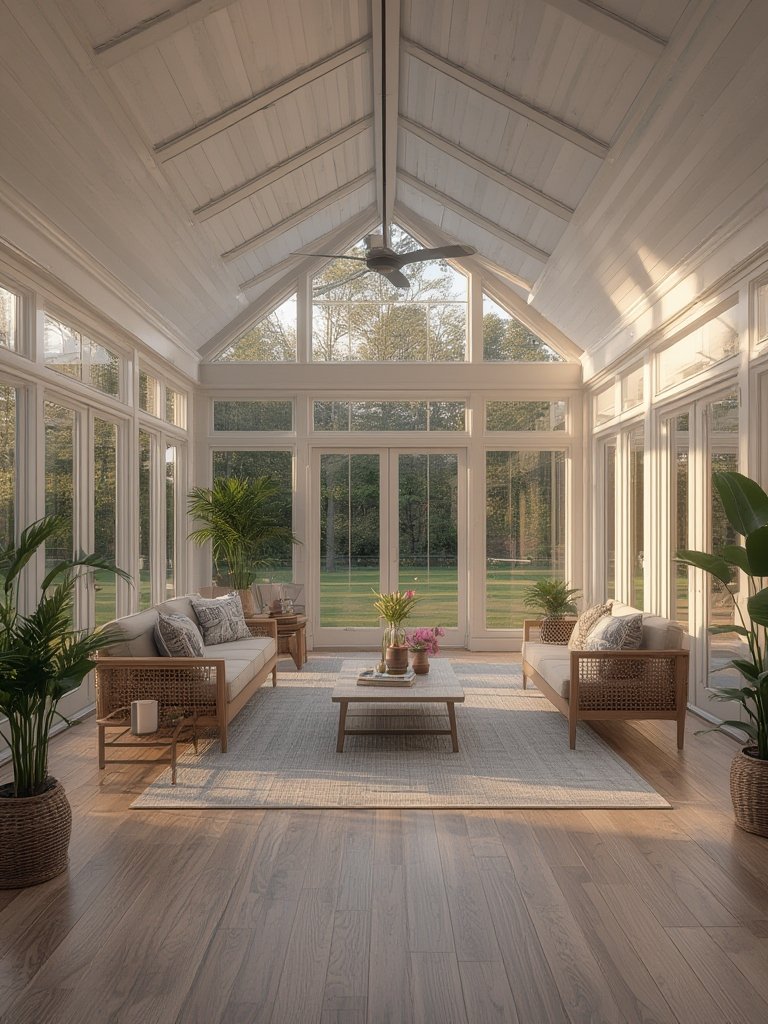
An enclosed porch conversion is a practical way to create a sunny, comfortable year-round retreat—but success hinges on correctly budgeting for insulation, windows, HVAC, and permits. If you plan ahead and focus on comfort, this project can greatly increase your home’s value, enjoyment, and usable space. Ready to tackle your own sunroom transformation? Start by making a detailed plan and, when in doubt, consult qualified experts for each step.
Want more guidance on related upgrades? Read our kitchen and bath remodeling guide for next-level improvement ideas.
Frequently Asked Questions
How much does it cost to convert an enclosed porch to a four-season sunroom in 2024?
The average cost in 2024 ranges from $25,000 to $120,000, with most projects totaling around $50,000 depending on size, insulation level, windows, and HVAC requirements. High-end projects with premium materials can run higher. Learn more.
What permits do I need for an enclosed porch conversion?
You typically need a building permit, and may require zoning approval or historic review, depending on your location. Requirements vary by city and county, so check with your local building department before starting.
Do I have to upgrade my HVAC for a four-season sunroom?
Yes, for true comfort and efficiency, the new space must have integrated heating and cooling—usually via a ducted system extension or a mini-split HVAC unit.
What’s the best insulation for an all-weather sunroom?
Use closed-cell spray foam or high-density batt insulation for walls and ceiling, and insulated subfloors; pair with double- or triple-pane Low-E glass windows.
Can I add smart home features during my conversion?
Yes, the construction phase is ideal for pre-wiring for smart thermostats, lighting, and motorized shading systems. Explore further in our smart home automation guide.