

Home office soundproofing has become a must-have for anyone working or studying from home and struggling with noise distractions. In this guide, you’ll get no-nonsense, up-to-date advice on how to manage sound in your workspace, boost productivity, and avoid costly mistakes—no guesswork or jargon, just practical solutions that work.
Key Takeaways
- acoustic panels reduce echo inside a home office but do not block external noise; true soundproofing requires additional measures.
- Strategic placement and proper material selection are critical—most DIY projects fail due to poor coverage or using panels incorrectly.
- Combining absorption panels with door, window, or wall upgrades yields the best results for quiet, productive workspaces.
- Understanding Home Office Soundproofing
- Step-by-Step Guide to Effective Home Office Soundproofing
- Advanced Analysis & Common Pitfalls
- Conclusion
- FAQ
Understanding Home Office Soundproofing
The core of home office soundproofing is creating a space where you control unwanted noise so you can work or learn productively. This involves two main concepts: sound absorption and soundproofing. Acoustic panels absorb sound reflections inside the room, cutting down on echo and making the space less distracting. Actual soundproofing, on the other hand, blocks noise from entering or leaving a room—something panels alone cannot do.
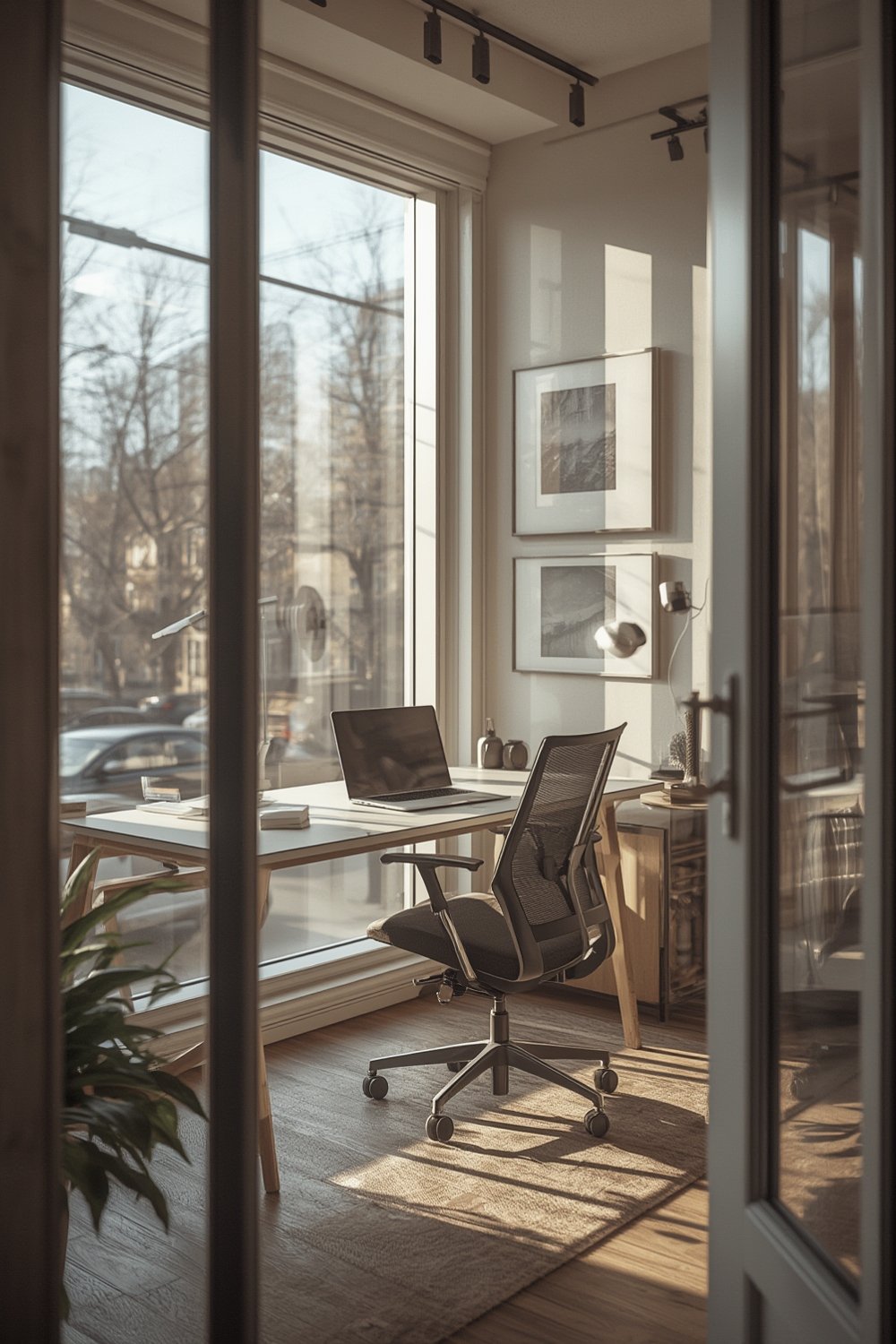
Why does this matter? If your top complaint is echo or muddied conference calls, absorption panels will help. If it’s traffic noise from outside or kids in the other room, you’ll need to add solutions for sound transmission—like window, door, or wall upgrades. Many people mix up these solutions and end up frustrated. Understanding the difference sets you up for smarter, more effective improvements.
Notably, current research shows that while acoustic panels are great for focus and comfort, they won’t block the neighbor’s lawnmower or household chatter. For the best results, combine absorption panels with targeted soundproofing for problem areas. To learn about other essential fixes around the house, visit our guide on home repair made simple.
Step-by-Step Guide to Effective Home Office Soundproofing
Follow this actionable roadmap to plan and install a sound-controlled workspace:
- Assess your noise issues.
- Identify sources: Is it echo, voices from other rooms, or outdoor sounds?
- Pinpoint what you hear most at your usual working hours.
- Choose the right solutions.
- For echo and internal noise: Opt for acoustic panels, ideally 2 inches thick for mid-high frequencies; go to 4 inches for bass (music, deeper voices).
- For blocking noise from windows or doors: Add seals, heavier curtains, or look into specialist soundproofing upgrades.
- Select quality materials.
- Look for panels with fiberglass or mineral wool cores (e.g., 703 or ECO CORE). Avoid panels with dense, non-breathable fabrics; these reduce absorption effectiveness.
- Check product documentation for ASTM-C423 tested NRC ratings—higher is better for absorption.
- Plan strategic placement.
- Map out where sound is bouncing (first reflection points: walls adjacent to your desk, directly opposite, or the ceiling if you have high walls).
- Stagger panels on directly opposing walls; don’t mirror them for best results.
- Install at ear height and above your desk—this helps most with speech clarity.
- Install panels correctly.
- Use manufacturer hardware or heavy-duty picture hangers for safety.
- For rented spaces, consider freestanding or adhesive-backed panels that remove cleanly.
- Remember: panels only condition internal sound; pair with thick curtains or draft blockers for doors and windows as needed.
- Test and adjust.
- After initial installation, clap your hands—if the echo persists, add more panels or reposition.
- Check if outside noise remains; tackle the culprit (usually windows or doors) with further upgrades.
- Maintain and adapt.
- Clean fabric panels lightly to prevent dust buildup (check care instructions).
- Rearrange as your workspace or needs change over time.

For additional DIY advice that can complement your workspace setup, check out our DIY home improvement tips for smart, safe, energy-efficient projects.
Advanced Analysis & Common Pitfalls
Many noise control DIY projects underperform because of misconceptions spread by top-ranking articles. Here are critical points—and how to avoid mistakes:
| Problem | What Actually Happens | What to Do Instead |
|---|---|---|
| Confusing absorption panels with true soundproofing | Panels reduce echo but won’t block outside noise or keep sound from escaping | Combine with door/window sealing or soundproof drywall for external sound blocking (see source) |
| Insufficient coverage (less than 25%) | Minimal change in echo or room clarity, space still sounds harsh or noisy | Calculate at least 25-30% of total wall and ceiling surface for panel placement (more info) |
| Poor fabric or material choice | Dense, non-breathable covers limit absorption, making panels decorative only | Select panels with certified NRC ratings and breathable fabrics (details here) |
| Uniform panel placement | Dead spots and harsh zones persist; little acoustic improvement | Stagger panels, focus around desk and reflection points; use ceiling panels for high walls |
| Ignoring workspace layout | Open-plan spaces remain noisy; enclosed rooms still have flanking noise | Open layouts benefit from baffles/dividers; closed rooms need window, door, wall soundproofing |
Costs can vary widely. Custom panels for a typical small home office (10×10 feet) might start under $200 DIY but range into thousands for larger, professionally treated spaces, especially if window and door upgrades are necessary. Sizing up? Commercial-quality panels for high-traffic areas cost more but are more durable. Want a detailed breakdown on related renovation expenses? See our Home and Decor Holiday Guide and Complete Guide to Kitchen and Bathroom Remodeling Costs, Ideas and Steps for broader budgeting tips.
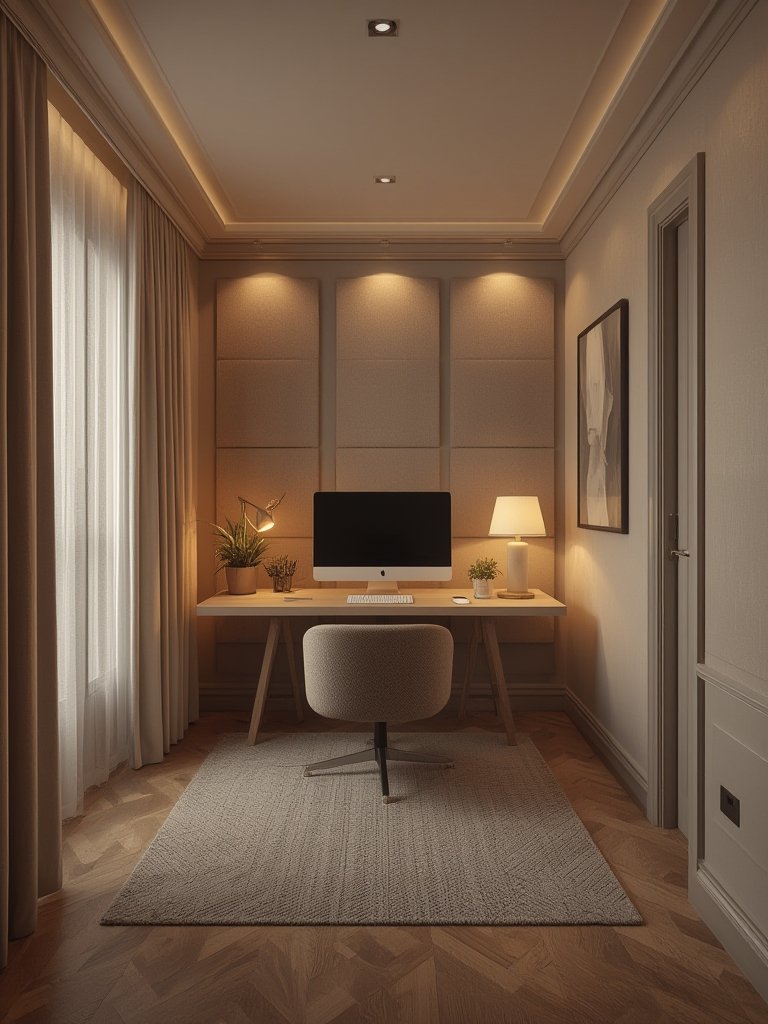
Room specifics matter: open-plan offices need more absorption products like ceiling clouds and desk dividers. Hard surfaces, like parallel drywall, demand smartly positioned panels; high ceilings need special attention with overhead baffles. Source articles show employee focus and call clarity can improve, but only if the solutions match the actual problem.
Conclusion
Smart home office soundproofing means knowing what you’re fixing: use absorption panels to tame echo and improve internal acoustics, but don’t expect them to stop noise from outside. For true quiet, combine panels with targeted door and window upgrades. Want more cost-saving DIY home upgrades? Check our Complete Guide to Bathroom Remodeling Costs, Ideas and Local Services. Commit to proper planning and placement for a productive, distraction-free workspace.
Ready to get started? Audit your space today or consult with a specialist to design a custom, truly quiet office.
FAQ
Do acoustic panels soundproof a home office?
No. Acoustic panels absorb sound and reduce echo inside a room, making conversations clearer and the environment less “boomy.” However, they do not prevent outside noise (like traffic or voices) from entering or leaving your workspace. For true soundproofing, you need dedicated barrier materials and sealing solutions.
How many panels do I need for my home office?
Plan for acoustic panel coverage on 25-30% of the hard, reflective surfaces (walls and ceiling) in your workspace. For a 10×10 foot room, that might mean 6-8 standard-size panels, strategically placed. Stagger them for best effect rather than covering one wall entirely.
What’s the difference between 2-inch and 4-inch panels?
2-inch panels are standard and target mid to high-frequency sounds (like voices and typing). 4-inch panels absorb more lower-frequency noise (like deep voices or bass music). Heavier, thicker panels are typically overkill unless you’re recording music or have significant bass issues.
Can I DIY install soundproofing, or should I hire a pro?
You can install most absorption panels as a DIY project with basic tools. However, if you need full soundproofing—for example, adding a new wall or specialized window—consider a professional. For tips on all types of home repairs, see our home repair guide.
What other upgrades make a noisy home office quieter?
Beyond absorption panels, consider weatherstripping doors, using double-glazed windows, adding thick curtains, and even installing door sweeps. Sometimes, simply shifting your desk’s position can cut annoying reflection noise. For smart home solutions that help automate comfort and quiet, read our guide to smart home essentials.